At a glance
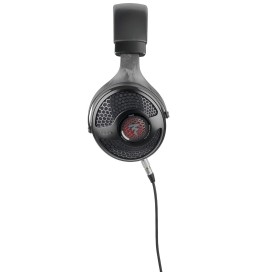
No other headphone in the world features such a robust and musically engaging sound signature in such an efficient package. With an impedance rating of just 15 ohms, the LCD-4z can be driven straight from the Aux port of your favorite listening device. The cast-magnesium housing yields a design that is lighter-weight than the LCD-4, making the 4z well-suited for extended listening sessions.
At a glance
Open-back over-ear flagship planar magnetic with maximum dynamics

The Double Fluxor™ Magnetic Array is the most powerful open magnetic circuit ever developed, enabling Audeze’s flagship drivers to reproduce any signal with unmatched precision and authority.
Nano-Scale diaphragms used across the LCD flagship line are among the thinnest in the world, delivering extremely fast, accurate transient response that captures every musical detail with near-zero distortion.
The result of decades of research and development. With Nano-Scale diaphragms, Fluxor™ magnets, and Uniforce™ voice coils, Audeze’s flagship series represents the true peak of high-end audio engineering.
Not sure if the Audeze LCD-4Z is the right model for you? Our guide Which Audeze is right for me? explains the Audeze series and how they differ in sound.
| Style | Over-ear, open-back |
| Transducer type | Planar Magnetic |
| Magnetic structure | Double Fluxor™ magnet array |
| Phase management | Fazor |
| Magnet type | Neodymium N50 |
| Diaphragm type | Nano-Scale Uniforce™ |
| Transducer size | 106 mm |
| Maximum power handling | 5W RMS |
| Maximum SPL | >130 dB |
| Frequency response | 5 Hz – 50 kHz |
| THD | <0.1% @ 100 dB |
| Impedance | 15 ohms |
| Sensitivity | 98 dB/1 mW (at Drum Reference Point) |
| Minimum power requirement | >100 mW |
| Recommended power level | >250 mW |
| Weight | 560 g |
| Headphone | LCD-4z planar magnetic headphones |
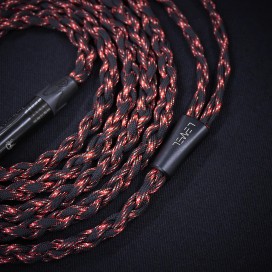
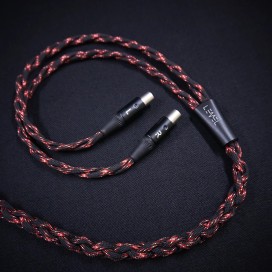
| Cable | 1.9 m 4-pin XLR balanced cable with 1/4" TRS adapter |
| Case | Standard travel case |
Frequency response
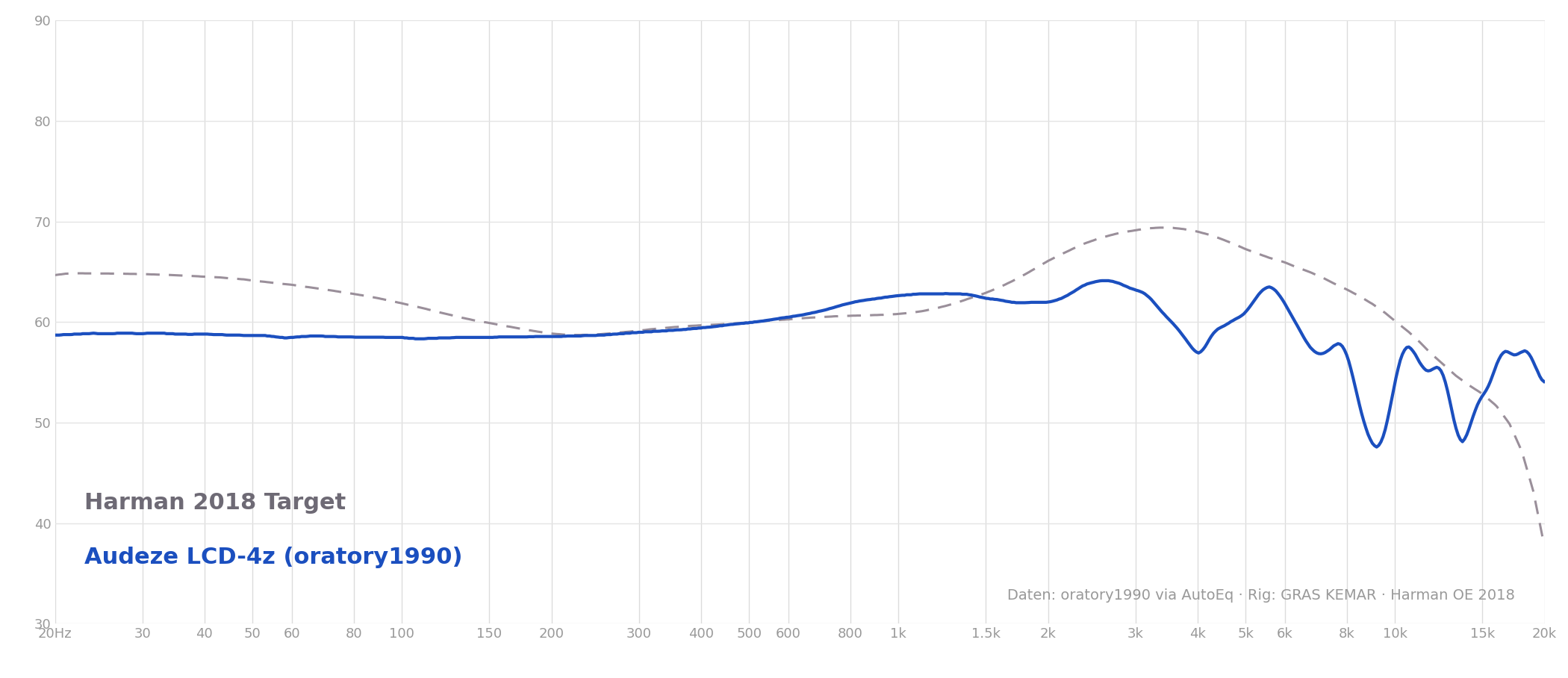
The line marked as target is something you could call the “ideal” curve: a target response derived from research by the Harman group, exploring what kind of headphone tuning tends to be preferred by a broad range of listeners – regardless of age or demographics. This is often referred to as the Harman Target.
From left to right you see sub-bass, bass, mids, and then the curve tilts upward where treble begins. That part of the spectrum is naturally amplified by the shape of the human ear.
Sub-bass sits clearly below the target – typical for open headphones, the bass is slightly reduced. The lower mids are neutral, the presence region around 3 kHz sits clearly below the target. The treble is strongly tuned more relaxed – never sharp, easy over long sessions, above 10 kHz it gets a little darker.
Harman Research: The Perception and Measurement of Headphone Sound Quality – What Do Listeners Prefer?