At a glance
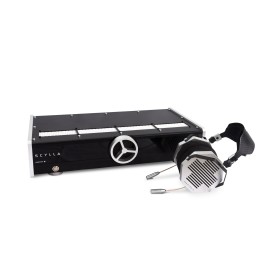
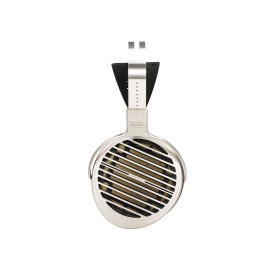
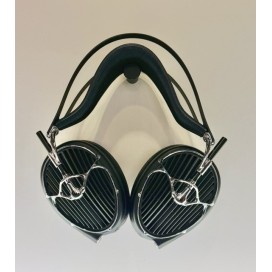
Reference planar headphone delivering ultra-high resolution, powerful bass and luxurious long-term comfort: AB1266 Phi TC
Extra ear pads as a bundle: order an additional pair of Abyss ear pads together with this headphone and we automatically deduct 25% from the pad price in the cart.
At a glance
Reference planar headphone with TC (Total Consciousness) drivers
With patented TC (Total Consciousness) planar drivers, the AB1266 Phi TC reveals the finest natural nuances while delivering effortlessly powerful bass. Its presentation stands for extreme resolution, natural tonality, and a sense of effortless authority.
Three-dimensional stage, tangible presence. From the first note, a precisely layered soundstage unfolds: the piano slightly left and forward, vocals centered, drums sculpted in space. Natural spatial cues—without artificial effects—make the recording come alive. Whether a full symphony or delicate strings, it feels like a private front-row concert.
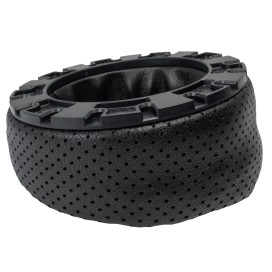
New hybrid pads for more comfort & control. Newly developed hybrid ear pads combine the finest lambskin with Ultrasuede and a soft memory-foam core—for enhanced precision and long-term comfort. The refined, highly adjustable leather headband makes this large headphone sit almost weightless.
Build & acoustics. Made in ABYSS’ US facility with CNC-machined aluminum frames and stainless-steel components. The planar magnetic design with an extremely thin diaphragm enables effortless dynamics from sub-bass to treble, while integrated resonance control minimizes coloration. The polymer-ceramic coating ranks among the hardest thin-film surfaces in the world.
Comfort & fit
- Hybrid lambskin/Ultrasuede pads: soft contact, perforated outer leather for breathability & bass authority
- Magnetic pad position adjustment for a perfect fit
- New French leather headband with movement isolation—distributes weight optimally for a “floating” feel; embossed ABYSS logo on top
- Permanently laser-engraved serial numbers for traceability & collector value
Technical highlights
- Premium CNC aluminum; assembled with stainless hardware—fully made in the USA
- Two-piece adjustable headband with left/right side frames; no plastic—every load-bearing part is solid aluminum
- Integrated resonance control and a low-carbon steel front baffle
- Matched planar drivers with custom high-performance neodymium magnets and optimized slot pattern
- Aerospace foamed aluminum side protection—acoustically tuned for a fully open sound
- Durable two-tone polymer-ceramic coating for exceptional toughness and longevity
| Transducer | Patented proprietary 66 mm planar magnetic drivers; highly optimized open-back design with aerospace foamed aluminum protection |
| Impedance | 50 Ω nominal |
| Phase | Flat |
| Frequency response | 5 Hz – 45 kHz |
| Sensitivity | 88 dB/mW |
| Distortion (THD) | Average 0.03% THD |
| Weight | 640 g |
| Finish | High-quality two-tone polymer-ceramic coating |
| Frame & hardware | All-aluminum chassis (no plastic), CNC-machined; US-made stainless hardware; integrated resonance control |
| AB1266 TC Standard Package | AB1266 TC Complete Package |
|---|---|
|
|
Cable options: The Standard package comes with a 2.4 m (8 ft), 3.0 m, 3.6 m or 4.2 m cable, the Complete package with JPS Labs Superconductor HP from 1.8 m to 7.2 m. The surcharge is shown as soon as you make your selection. The Standard package comes with a 4-pin XLR cable and a flexible 1/4" (6.35 mm) adapter, so it also fits 6.35 mm sockets. The Complete package is available with a 4-pin XLR, dual 3-pin XLR or 6.35 mm plug.
Frequency response
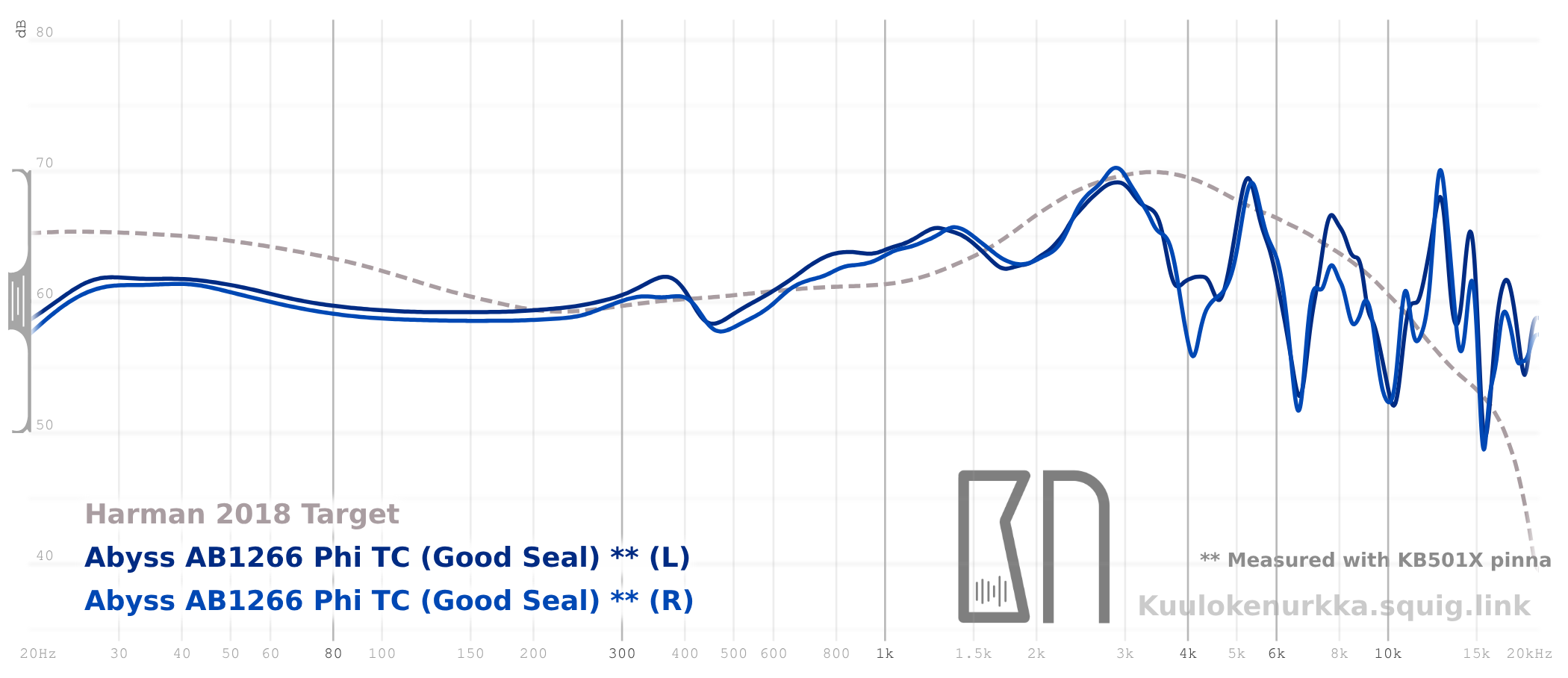
The line marked as target is something you could call the “ideal” curve: a target response derived from research by the Harman group, exploring what kind of headphone tuning tends to be preferred by a broad range of listeners – regardless of age or demographics. This is often referred to as the Harman Target.
From left to right you see sub-bass, bass, mids, and then the curve tilts upward where treble begins. That part of the spectrum is naturally amplified by the shape of the human ear.
Sub-bass sits clearly below the target – common for open headphones, the Harman target includes a strong bass shelf, the bass is slightly reduced. The lower mids are neutral, the presence region around 3 kHz sits slightly below the target. The treble is slightly tuned more relaxed – never sharp, easy over long sessions, above 10 kHz there is a little extra air. Left and right channels track each other closely, a sign of careful driver matching.
Harman Research: The Perception and Measurement of Headphone Sound Quality – What Do Listeners Prefer?