At a glance
Extremely detailed, not very power hungry - and sonically, on a flagship level.
At a glance
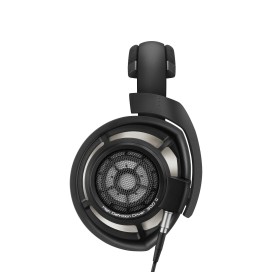
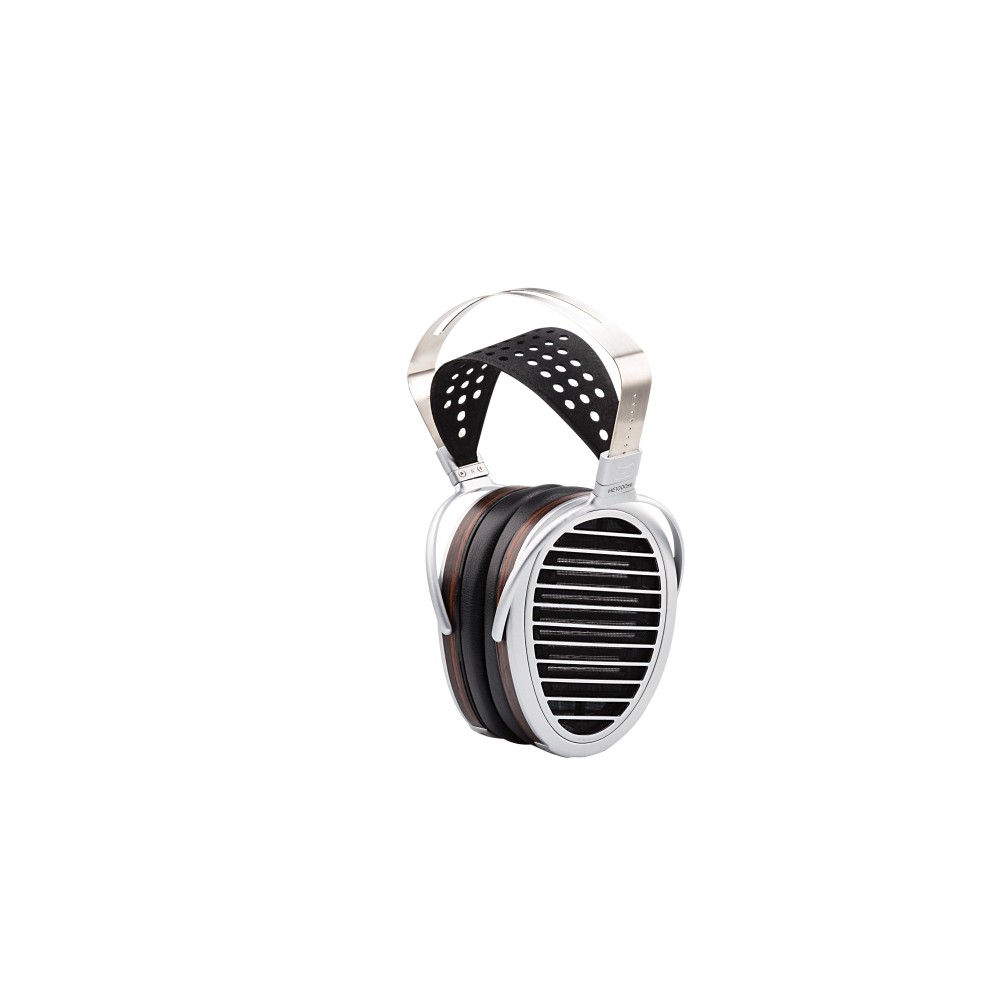
Reference planar-magnetic over-ear with smooth treble and a focused midrange
HiFiMAN follows a very consistent philosophy in product development: release a model that fills a gap in the lineup, then refine it relentlessly over time. That’s exactly what happened here.
When people think HiFiMAN, they often think high treble resolution, a wide stage, and that “listening into” the music feeling. You do get that with the HE1000se, too—but the obvious question is: what’s the difference versus the HE1000 V2?
The HE1000se is a touch more restrained up top, which makes it sound smoother and more midrange-focused. The stage can feel a bit less wide as a result—something that can actually benefit certain genres. It’s a great complement for listeners with a slightly different preference profile.
“Super nimble, electrostatic-like fast, hard slamming in the bass and uber-transparent… the most impressive technical headphone I’ve reviewed so far,” earning their highest Golden Award.
A fantastic headphone with proprietary technology that delivers in sound. Build quality and materials are exactly what you’d expect at this level—looking, feeling, and sounding like true audiophile headphones.
In technical capability, the HE1000se are among the most capable headphones the reviewer has ever heard—comfortable to wear, easy to use, and a pleasure to listen to.
Not sure if the HiFiMAN HE1000se is the right model for you? In our Great HiFiMAN Model Comparison we put every model in the lineup head-to-head.
The HE1000 SE is especially suited to listeners who, within the reference class, place particular value on midrange, speed, and micro-dynamics – with the highest sensitivity in the entire HE1000 series.
| Impedance | 35 Ω |
| Sensitivity | 96 dB / 1 W / 1 m |
| Frequency Response | 8 Hz – 65 kHz |
| Weight | 440 g |
Frequency response

The line marked as target is something you could call the “ideal” curve: a target response derived from research by the Harman group, exploring what kind of headphone tuning tends to be preferred by a broad range of listeners – regardless of age or demographics. This is often referred to as the Harman Target.
From left to right you see sub-bass, bass, mids, and then the curve tilts upward where treble begins. That part of the spectrum is naturally amplified by the shape of the human ear.
Harman Research: The Perception and Measurement of Headphone Sound Quality – What Do Listeners Prefer?