

At a glance
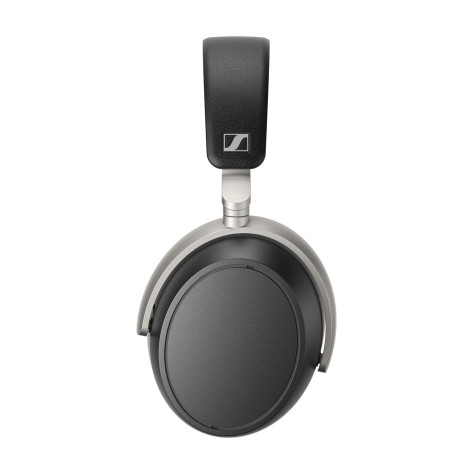
Sennheiser HDB 630: high-end closed-back Bluetooth headphones with 42 mm drivers, aptX Adaptive, 60 h battery life, EQ, crossfeed and USB-C Hi-Res audio.
At a glance
Audiophile sound. Wireless.
The HDB 630 delivers neutral, high-resolution sound in a closed-back, wireless over-ear design. With in-house 42 mm drivers, adaptive noise cancelling, and the included BTD 700 Bluetooth® USB-C dongle, it brings true audiophile performance anywhere—without compromise.
Audiophile control and tuning
The HDB 630 supports aptX™ HD and aptX™ Adaptive for wireless high-res audio. Via USB-C or analog, it can play back lossless signals up to 24-bit / 96 kHz. A parametric EQ and crossfeed function in the Smart Control Plus app let you fine-tune the sound to your personal preference.
Precisely tuned acoustics
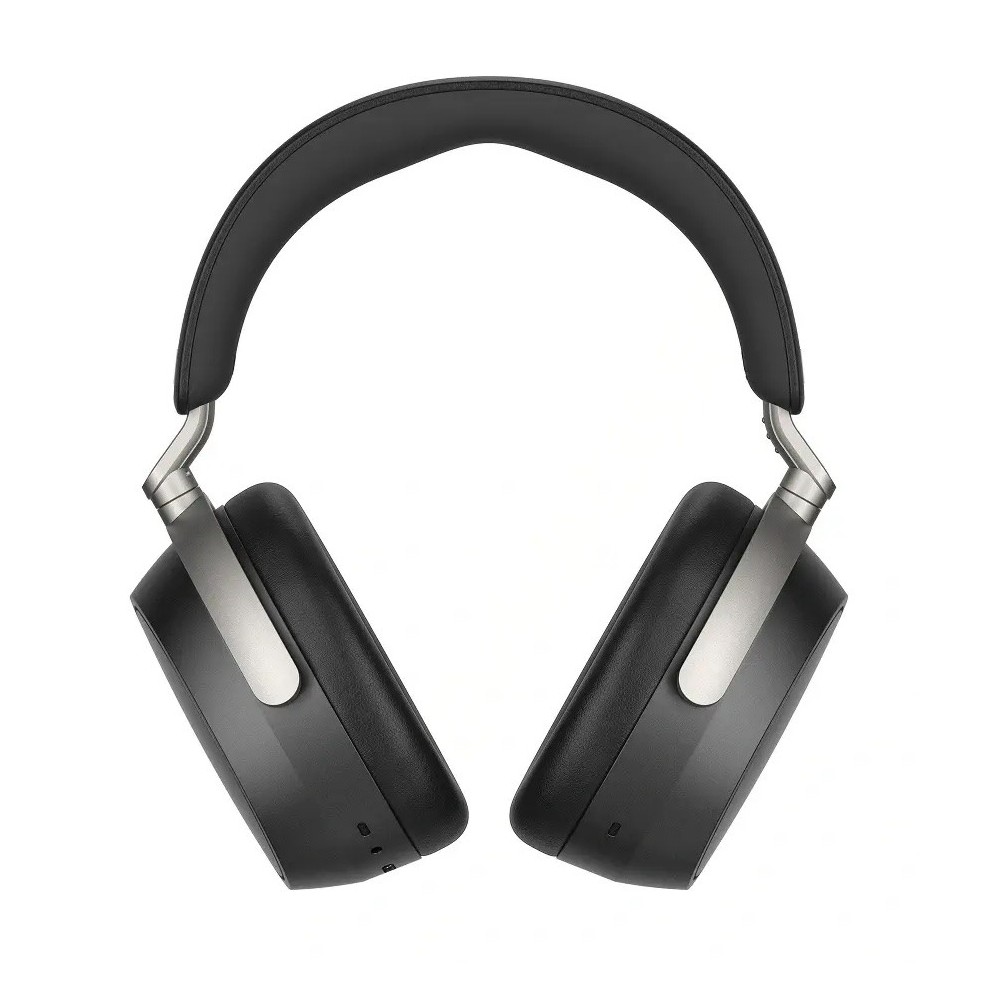
Every element—from the 42 mm driver to the deep rear volume and magnet-port damping—has been carefully voiced as a complete system. The result is a balanced, natural presentation with lifelike mids, controlled treble, and clearly defined bass—distinctive among closed-back Bluetooth headphones.
Adaptive noise cancelling & transparency mode
Adaptive noise cancelling effectively reduces ambient noise without compromising dynamics or tonal balance. When needed, transparency mode brings outside sound back in—ideal for situational awareness.
Comfort & endurance
Soft ear pads, a headband with Japanese synthetic leather, and low clamping force ensure long-term comfort. With up to 60 hours of battery life, the HDB 630 keeps playing for days at a time.
Frequency response
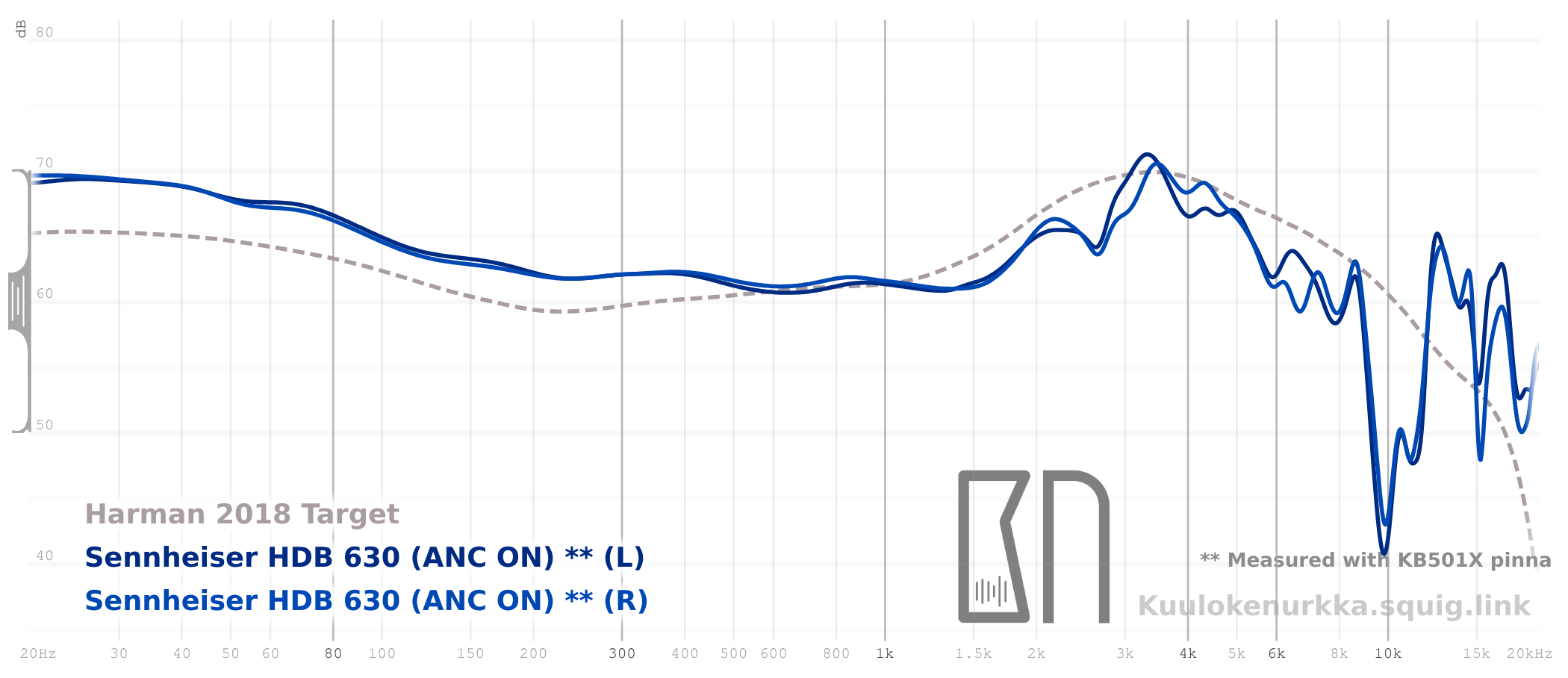
The line marked as target is something you could call the “ideal” curve: a target response derived from research by the Harman group, exploring what kind of headphone tuning tends to be preferred by a broad range of listeners – regardless of age or demographics. This is often referred to as the Harman Target.
From left to right you see sub-bass, bass, mids, and then the curve tilts upward where treble begins. That part of the spectrum is naturally amplified by the shape of the human ear.
Sub-bass sits slightly above the target, the bass is slightly elevated. The lower mids are neutral, the presence region around 3 kHz sits slightly below the target. The treble is strongly tuned more relaxed – never sharp, easy over long sessions, above 10 kHz it gets a little darker. Left and right channels track each other closely, a sign of careful driver matching.
Harman Research: The Perception and Measurement of Headphone Sound Quality – What Do Listeners Prefer?