

At a glance
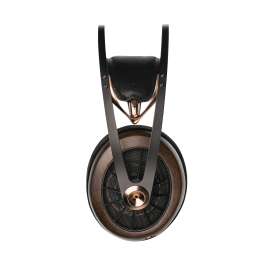
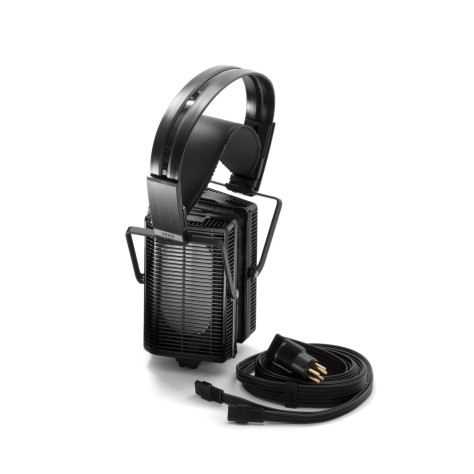
The STAX SR-L500 Mk2 is a high-end electrostatic Lambda-series headphone delivering exceptional transparency, speed and natural spatial presentation.
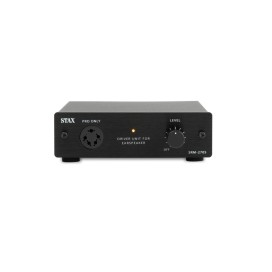
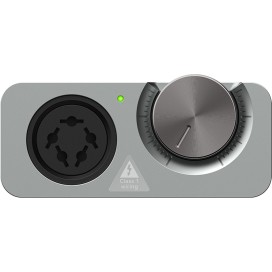
Stax headphones require an electrostatic amplifier with a Pro Bias connector. All Stax headphones and matching amplifiers are listed on the Stax brand page.
At a glance
Electrostatic Open-Back Over-Ear Headphones from the Lambda Series
The STAX SR-L500 Mk2 delivers the characteristic speed, transparency and effortless detail retrieval that electrostatic headphones are famous for, combined with a smooth and musical presentation. As part of the legendary Lambda series, it offers an open and highly resolving sound signature with exceptional realism for vocals, acoustic instruments and complex recordings.
Unlike conventional dynamic headphones, the SR-L500 Mk2 uses an ultra-light electrostatic diaphragm that reacts almost instantaneously to incoming signals. The result is the unmistakable STAX presentation: fast, airy and incredibly refined, yet never artificially sharp or fatiguing.
The Mk2 revision also adopts the detachable cable system from STAX’s higher-end models, improving serviceability and everyday practicality. The updated construction additionally enhances fit and wearing comfort.
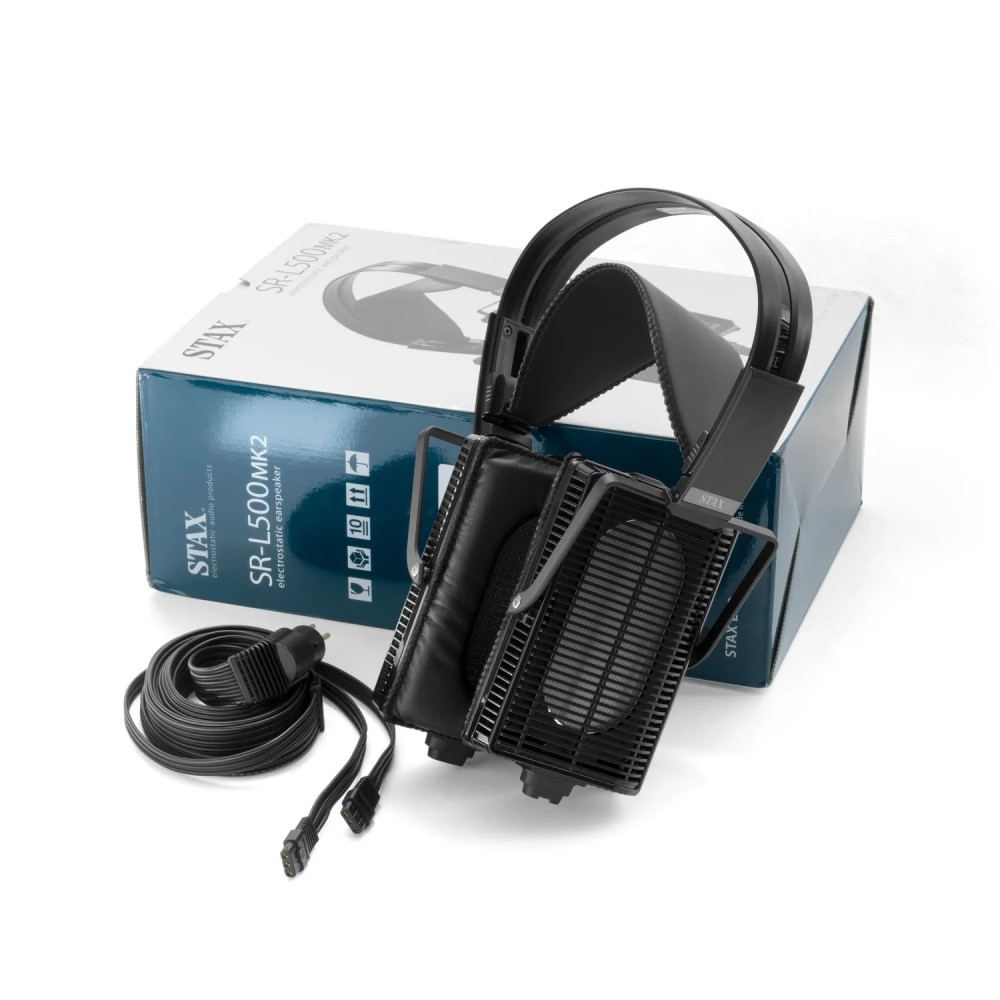
Sonically, the SR-L500 Mk2 offers an expansive and spacious presentation with particularly impressive midrange performance and delicate treble extension. Bass remains tight, fast and controlled rather than exaggerated, making the SR-L500 Mk2 an excellent choice for jazz, classical music, vocals and listeners seeking maximum transparency and natural timbre.
Like all STAX electrostatic headphones, the SR-L500 Mk2 requires a dedicated electrostatic amplifier or energizer with a PRO bias connection.
| Type | Electrostatic push-pull open-air headphone |
| Design | Open-back, over-ear |
| Frequency Response | 7 Hz – 41,000 Hz |
| Capacitance | 110 pF |
| Sensitivity | 101 dB / 100 V RMS / 1 kHz |
| Bias Voltage | 580 V DC (PRO Bias) |
| Cable | Detachable OFC cable, 2.5 m |
| Weight | 351 g |
Frequency response
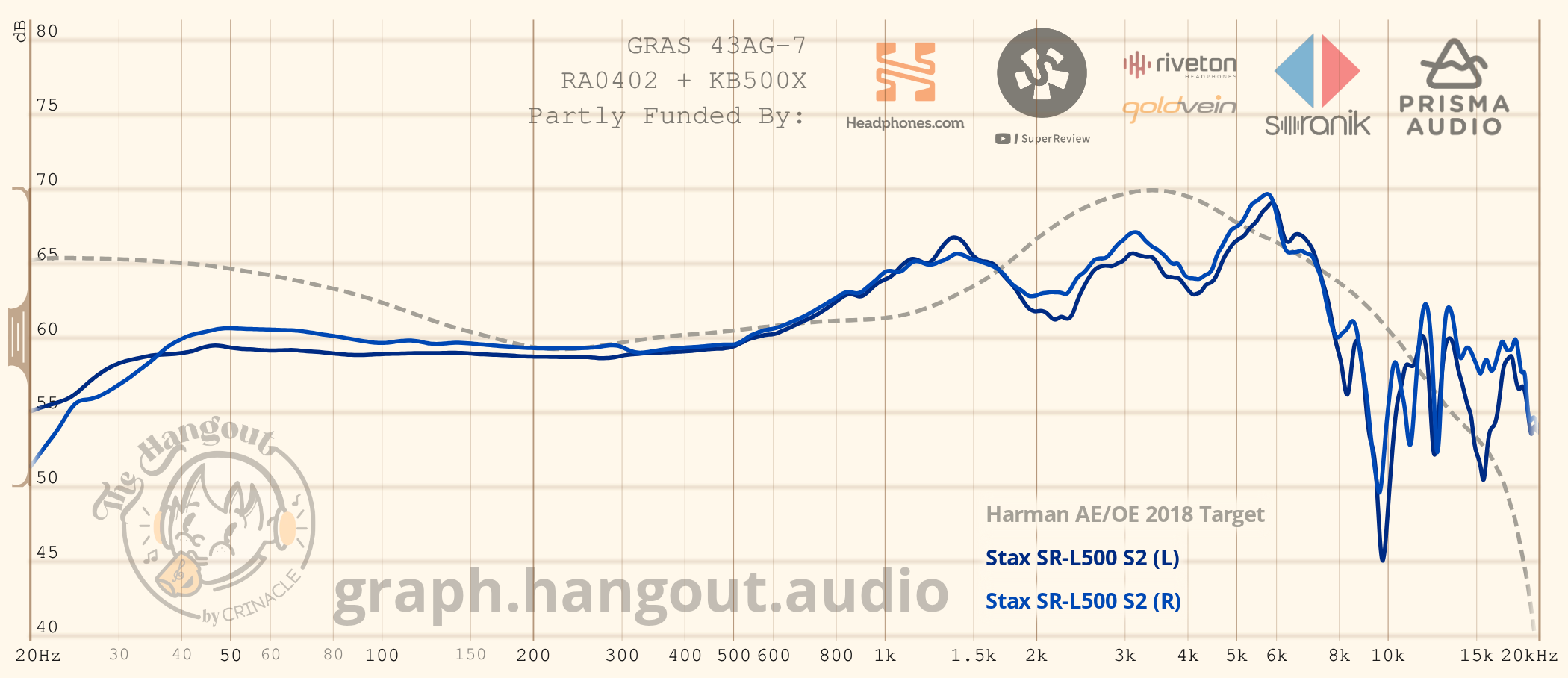
The line marked as target is something you could call the “ideal” curve: a target response derived from research by the Harman group, exploring what kind of headphone tuning tends to be preferred by a broad range of listeners – regardless of age or demographics. This is often referred to as the Harman Target.
From left to right you see sub-bass, bass, mids, and then the curve tilts upward where treble begins. That part of the spectrum is naturally amplified by the shape of the human ear.
Sub-bass sits far below the target – common for open headphones, the Harman target includes a strong bass shelf, the bass is slightly reduced. The lower mids are neutral, the presence region around 3 kHz sits slightly below the target. The treble follows the target, and the range above 10 kHz stays on the curve. Left and right channels track each other closely, a sign of careful driver matching.
Harman Research: The Perception and Measurement of Headphone Sound Quality – What Do Listeners Prefer?